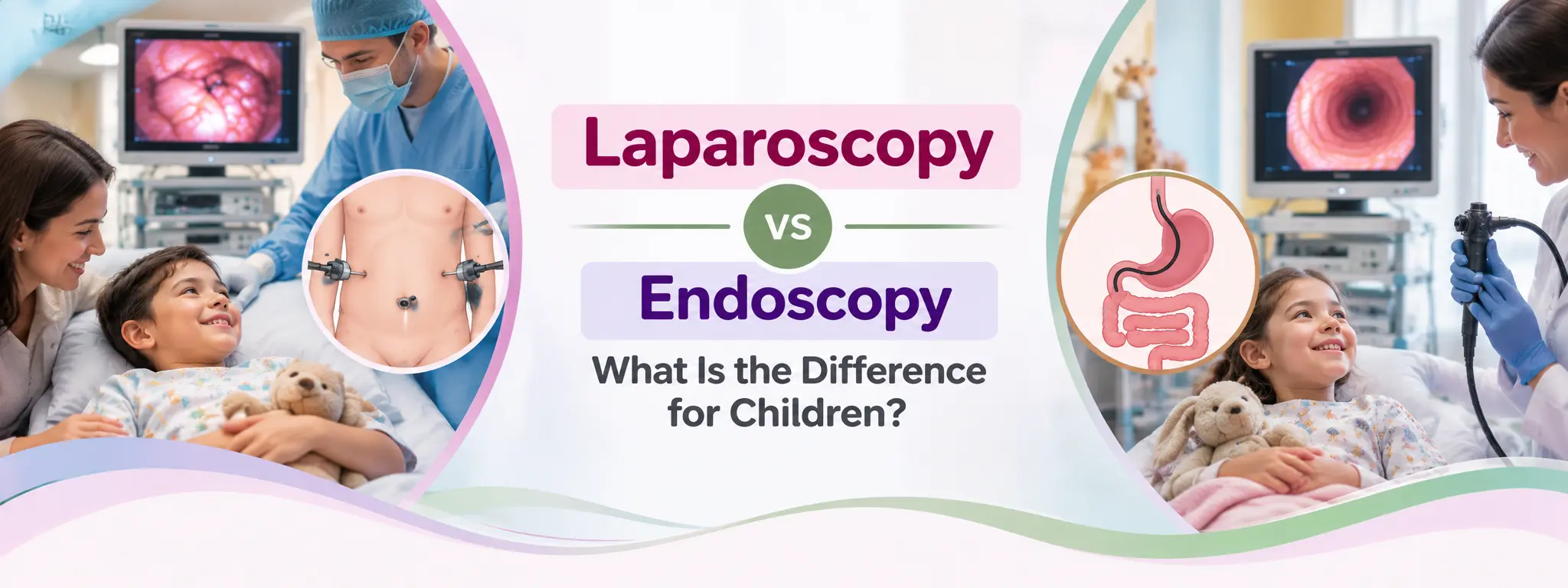

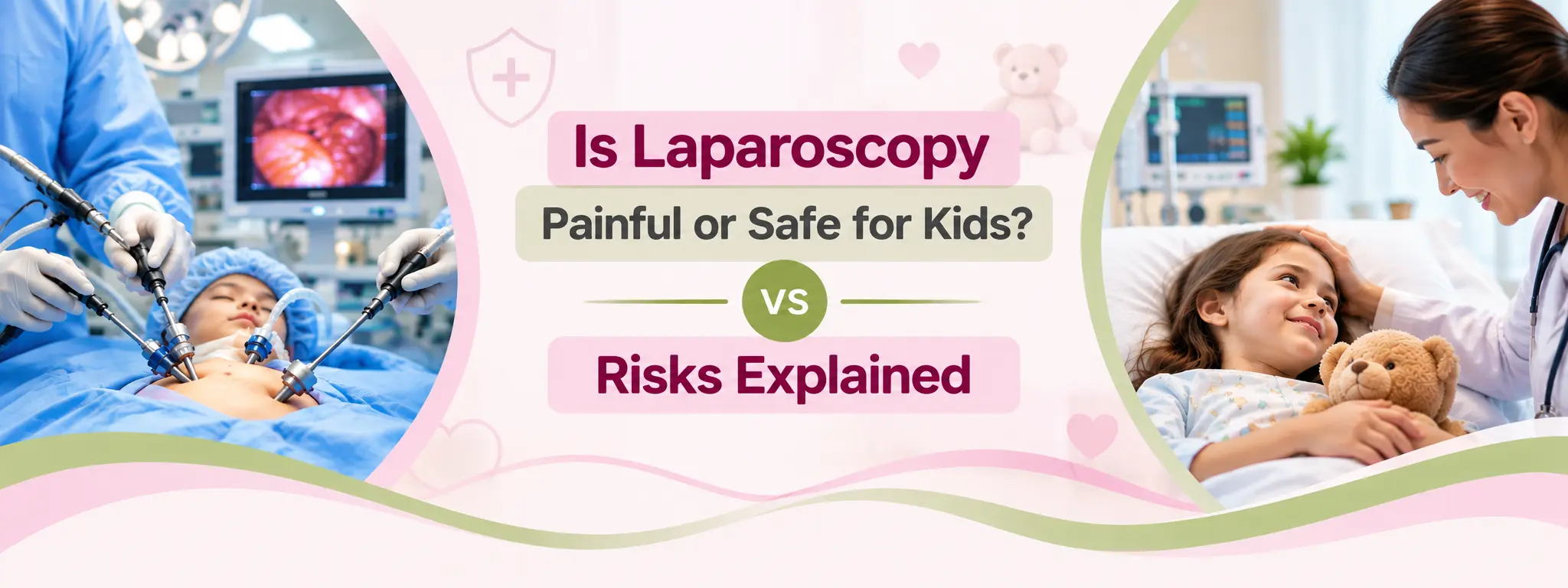
Hearing that your child needs surgery can bring many questions. Parents often want to know, “Is laparoscopy painful?” They may also worry about anesthesia, possible side effects, recovery, and whether laparoscopy should be considered major surgery.
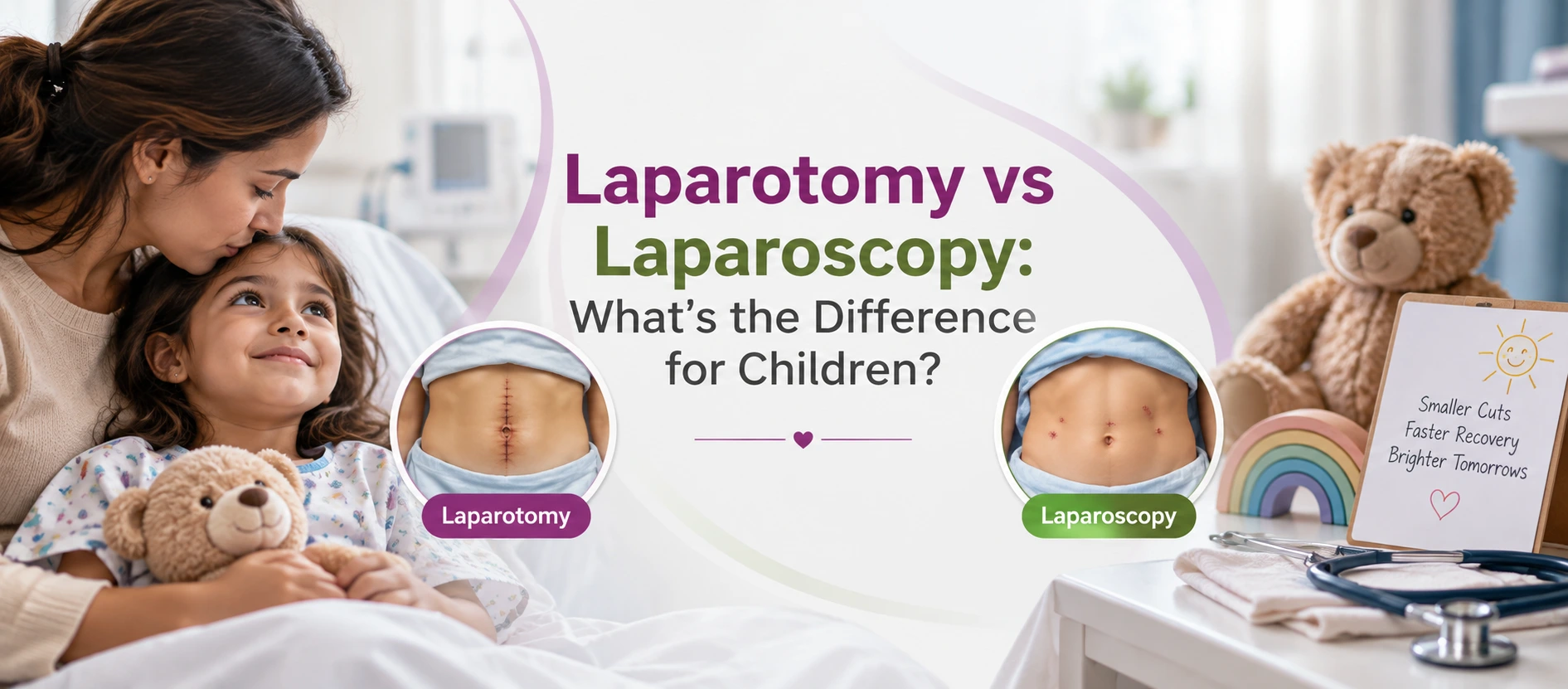
Laparoscopy is a minimally invasive surgical method used for many conditions in children. Instead of one large cut, the surgeon usually works through a few small openings in the abdomen. What your child experiences, however, depends on the condition being treated and the type of operation required.
What Happens During Laparoscopic Surgery in Children?
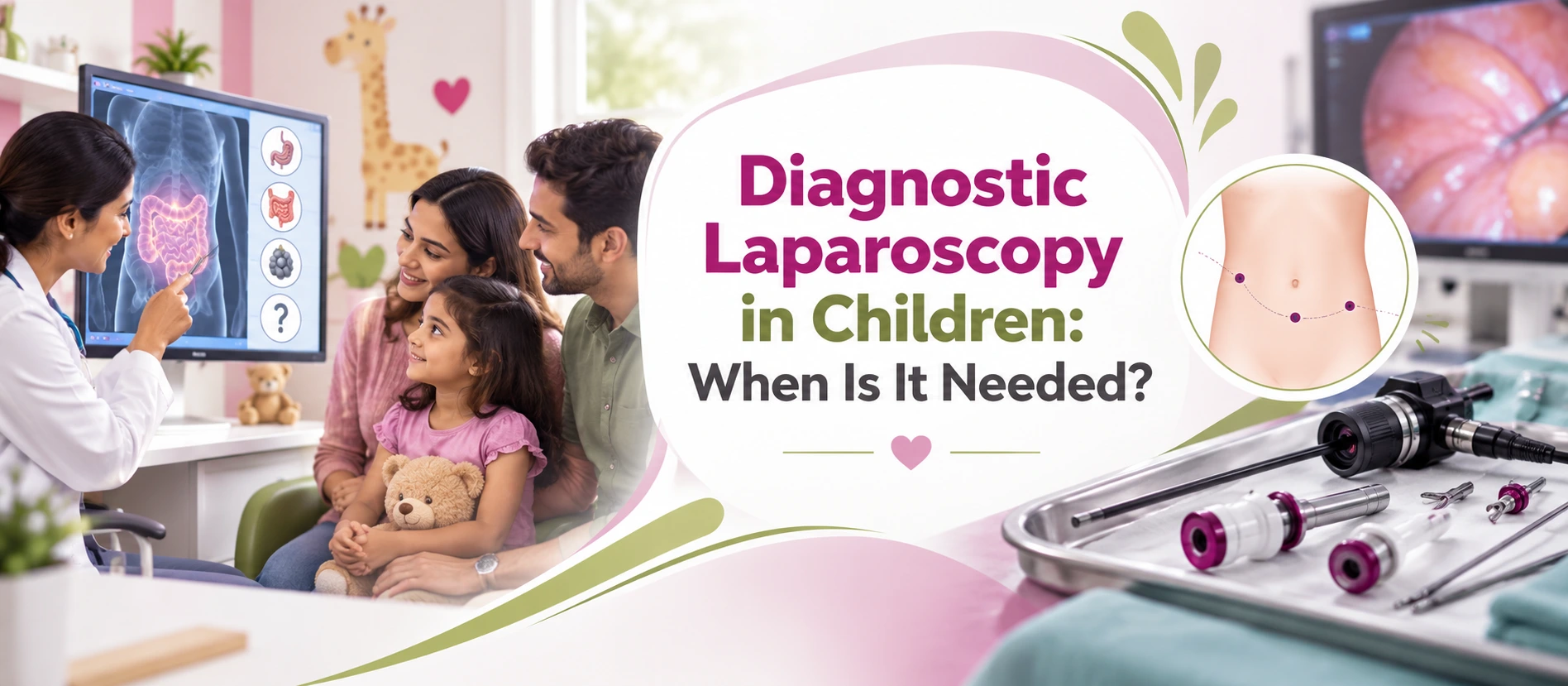
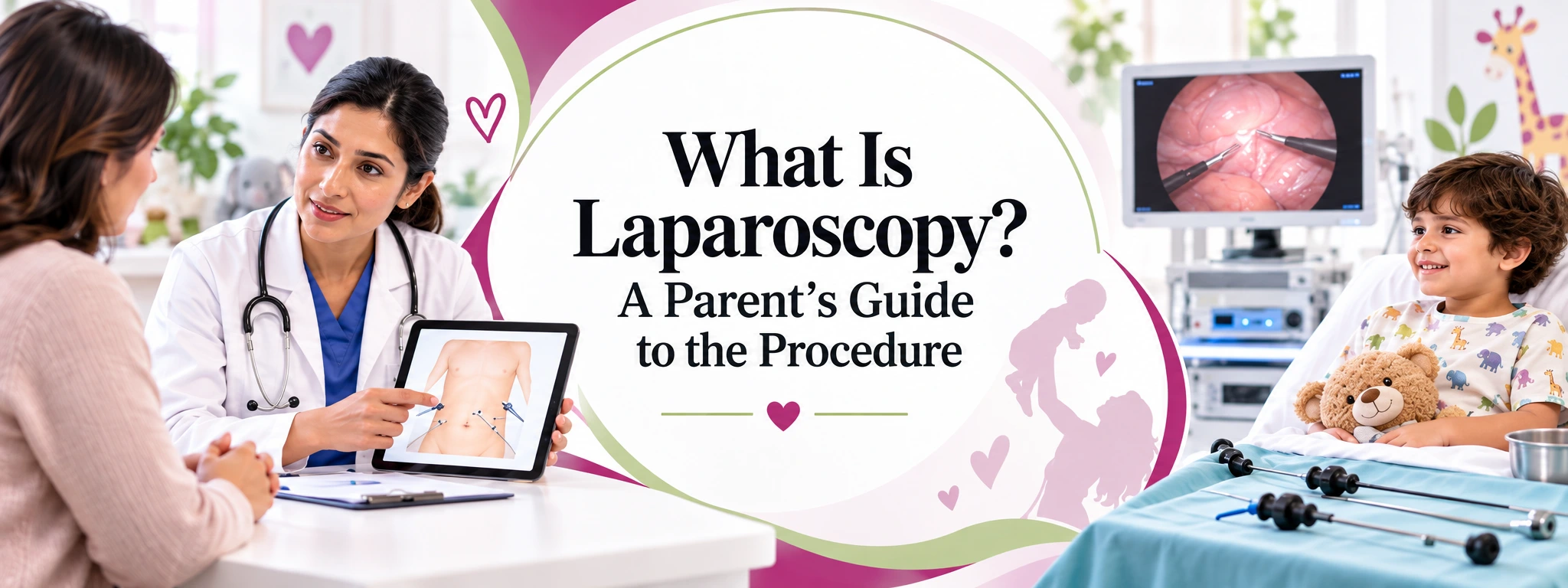
During laparoscopy, a pediatric surgeon places a thin camera called a laparoscope through a small cut in the abdomen. The camera gives a clear view inside the body. Other small instruments can then be inserted through additional openings when treatment is needed.
Carbon dioxide gas is usually used to gently create working space inside the abdomen. This allows the surgeon to see the organs clearly and perform the procedure with smaller cuts than are usually needed in open abdominal surgery.
Children usually have general anesthesia, so they are asleep during the operation. The anesthesia team watches breathing, heart rate, oxygen levels, and other important functions throughout surgery.
Is Laparoscopy Painful for a Child?
A child should not feel the operation while under general anesthesia. Some pain or soreness is expected after surgery, especially around the small cuts and inside the abdomen. The amount of pain depends mainly on what operation was performed.
Children may experience:
- Soreness around the surgical cuts
- Mild abdominal pain or cramping
- Bloating
- Temporary shoulder discomfort
- Tiredness after surgery
Shoulder discomfort can happen because the gas used during laparoscopy may irritate nerves near the diaphragm. It normally improves as the remaining gas is absorbed by the body.
A useful point for parents is that small cuts do not always mean very little pain. A child having an infected appendix removed may feel more discomfort than a child having a short diagnostic procedure, even though both procedures use laparoscopy.
Young children may also show pain differently. Crying more than usual, refusing food, protecting their tummy, poor sleep, or not wanting to move can be signs that they are uncomfortable.
Is Laparoscopy Safe for Kids?
Laparoscopy is widely used as a minimally invasive approach to surgery. Like every operation, however, it has possible risks. Safety depends on the child’s health, age, diagnosis, type of surgery, and how complex the condition is.
Before surgery, the surgical and anesthesia teams assess these factors. Anesthesia risks also vary between children, which is why the anesthetist reviews the child’s health and explains risks that are particularly relevant to them.
The important comparison is not simply “surgery versus no surgery.” When treatment is necessary, doctors also consider the problems that could occur if an operation is delayed or not performed.
What Are the Common Laparoscopy Side Effects?
Most laparoscopy side effects are temporary and happen during the early recovery period.
They may include:
- Mild abdominal soreness
- Bloating or cramps
- Shoulder discomfort
- Nausea after anesthesia
- Sleepiness or tiredness
- Minor bruising near the cuts
- A sore throat after general anesthesia
These effects are different from serious surgical complications. Mild discomfort that gradually improves is usually expected, while symptoms that become stronger or appear with other warning signs may need medical review.
What Are the Possible Risks of Laparoscopy?
Serious problems after laparoscopy are uncommon, but they can occur. Parents should understand these risks before giving consent for their child’s procedure.
Possible complications include:
- Bleeding
- Wound infection
- Injury to an organ or blood vessel
- Problems related to anesthesia
- Blood clots
- The need to change to open surgery
MedlinePlus notes that serious complications such as bleeding, infection, organ or blood-vessel injury and anesthesia-related problems can occur following laparoscopy.
Changing from laparoscopic to open surgery does not necessarily mean something has gone wrong. Sometimes the surgeon finds that a larger opening will allow the operation to be completed more safely.
Is Laparoscopy a Major Surgery?
Whether laparoscopy is a major surgery depends on what is being done inside the body.
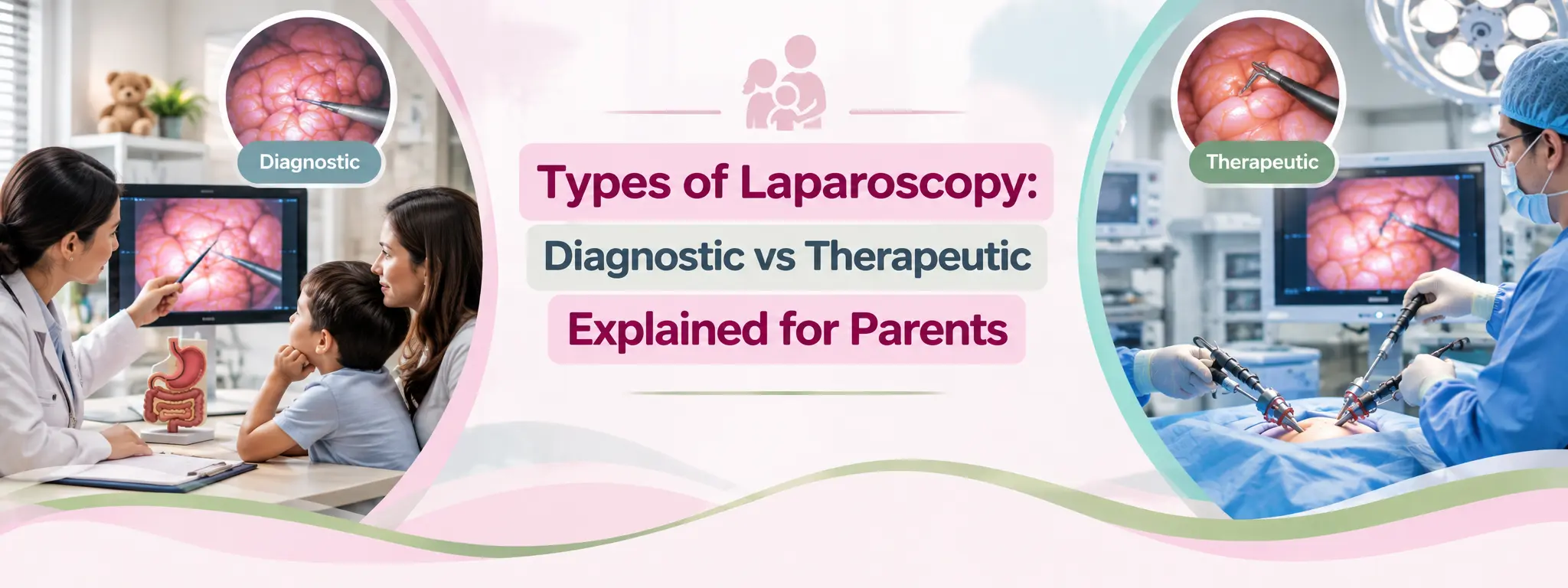
“Laparoscopy” describes the surgical approach. It does not describe the complexity of the operation. A short diagnostic laparoscopy and a complex operation on an abdominal organ may both use small cuts but are very different procedures.
This is an important distinction for parents. The size of a child’s scars does not tell you how serious the underlying condition or internal operation is.
Compared with traditional open surgery, laparoscopic approaches can offer smaller scars, less pain during healing, and faster recovery for suitable procedures.
How Long Does Recovery Take After Laparoscopy?
There is no single recovery time for every child. Recovery depends on the operation rather than laparoscopy alone.
For example, a child recovering after uncomplicated laparoscopic appendix surgery may recover much faster than a child whose appendix has ruptured and caused infection. A ruptured appendix can require a longer hospital stay and additional treatment.
Recovery may also depend on:
- Your child’s age
- The reason for surgery
- Infection or inflammation
- The length and complexity of the procedure
- Pain and nausea control
- Eating, drinking and movement after surgery
Parents should follow their own pediatric surgeon’s recovery instructions instead of comparing their child’s progress with another child’s experience.
When Should Parents Contact the Doctor?
Some soreness and tiredness can be expected after surgery. Symptoms that become worse rather than gradually improving should not be ignored.
Contact your child’s surgical team if your child develops:
- Increasing or severe abdominal pain
- Repeated vomiting
- Fever
- Increasing redness or swelling around a wound
- Fluid or pus coming from the wound
- Increasing abdominal swelling
- Difficulty drinking or keeping fluids down
- Any sudden change that concerns you
The exact warning signs can vary by operation, so the discharge instructions given by your child’s surgical team should always take priority.
FAQs
Can a cold affect my child’s planned laparoscopy?
Yes. Coughs and colds can increase the chance of breathing problems during anesthesia in some children. Tell the hospital if your child becomes unwell before surgery.
Can my child eat before laparoscopic surgery?
Children usually need to follow fasting instructions before general anesthesia. Follow the hospital’s exact instructions about when your child must stop eating and drinking.
Will every child stay in the hospital overnight?
No. Hospital stay depends on the procedure, the child’s condition and how well they recover after surgery. Some uncomplicated laparoscopic procedures may allow earlier discharge, while infection or a more complex operation can require a longer stay.
Will my child need strong pain medicine at home?
It depends on the procedure and the child’s pain level. The surgical team will recommend appropriate pain control and explain which medicines should be used after discharge.
Understanding Your Child’s Individual Risk
The most useful questions to ask are what operation your child needs, why laparoscopy has been recommended, what risks apply specifically to your child, and what recovery is expected.
If your child has been advised to undergo Pediatric Laparoscopic Surgery, a consultation with a pediatric surgeon can help you understand these factors based on your child’s diagnosis, age and overall health.