

Pediatric Endo-Urology
Pediatric Urinary Tract Care
Pediatric Endo-Urology & Urology Amritsar
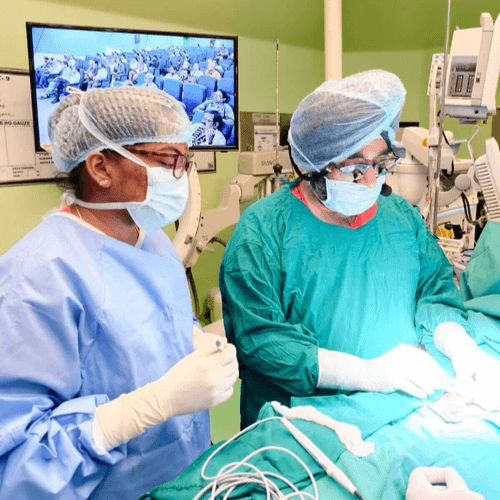
Minimally invasive, endoscope-based treatment for kidney, bladder and urinary tract conditions in children — performed by Dr. H.P.S. Miglani, with 30+ years of dedicated pediatric surgical experience.
Why this matters for your child
Urinary tract care built around a child's anatomy
A child’s urinary system is smaller and still developing, and many conditions that would need open surgery in adults can now be treated endoscopically in children — through the body’s natural openings, without external incisions.
Dr. H.P.S. Miglani specialises in pediatric urology and endo-urology, so families in Amritsar do not need to travel to other big cities or metro cities for expert evaluation and treatment of their child’s urinary tract condition.
Child-specific endo-urology instruments

30+ years in pediatric urology & surgery

Evaluation for recurrent UTIs & kidney stones

No need to travel outside Amritsar for care
In plain language
What is pediatric endo-urology?
Pediatric endo-urology uses thin, camera-equipped scopes passed through the urinary tract’s natural openings to diagnose and treat conditions of the kidney, ureter, bladder and urethra — often without any external incision at all.
For conditions that do need surgery, many can now be managed with minimally invasive or endoscopic techniques rather than traditional open surgery, meaning less discomfort and a faster return to normal activity for your child.
Quick answer: Pediatric endo-urology treats kidney, bladder and urinary tract conditions in children using thin scopes passed through natural openings — often avoiding the need for external incisions altogether.
What we treat
Urinary tract conditions we treat in children
From recurrent infections to kidney stones, Dr. H.P.S. Miglani evaluates and treats the full range of pediatric urinary tract conditions.
Kidney & Ureteric Stones
Endoscopic stone removal (URS) or minimally invasive techniques suited to your child's age and stone size.

Vesicoureteral Reflux (VUR)
Endoscopic injection treatment for urine flowing backward from the bladder toward the kidneys.

Posterior Urethral Valves
Endoscopic treatment of a blockage at the base of the bladder, most often diagnosed in infant boys.
Ureteric Strictures
Evaluation and treatment of narrowed segments in the tube connecting the kidney to the bladder.

Recurrent Urinary Tract Infections
Thorough evaluation to identify and treat any underlying anatomical cause of repeated UTIs.
Bladder & Urinary Tract Anomalies
Assessment and management of congenital differences in bladder or urinary tract structure.
Know the Signs
Signs your child may have a urinary tract condition
These symptoms don’t always mean a serious problem, but they’re worth a prompt evaluation.
Possible urinary infection
- Fever without an obvious cause
- Pain or burning during urination
- Foul-smelling or cloudy urine
Possible kidney stone
- Sudden, severe pain in the side or back
- Blood visible in the urine
- Restlessness or difficulty finding a comfortable position
Possible urine flow issue
- Weak or interrupted urine stream
- Straining to urinate
- Bedwetting beyond the expected age, with other symptoms
General warning signs
- Fever with vomiting in an infant
- Swelling around the eyes or abdomen
- Poor weight gain in an infant with recurrent fevers
🚨 A child with fever, vomiting, and signs of a urinary infection — especially an infant — should be evaluated promptly, as untreated infections can affect the kidneys. Call 0183-5052091 for urgent guidance.
Why choose endo-urology
Endo-urology vs. traditional open urology surgery
Not every condition can be treated endoscopically, but where it’s possible, the benefits for a child are significant.
| Factor | Our Approach | Traditional Approach |
|---|---|---|
| Incision | None — scope passed through natural openings | External incision required |
| Post-operative pain | Usually less pain | Comparatively higher |
| Hospital stay | Often same day or overnight | Usually longer |
| Recovery | Typically faster return to normal activity | Typically slower |
Who will operate on your child
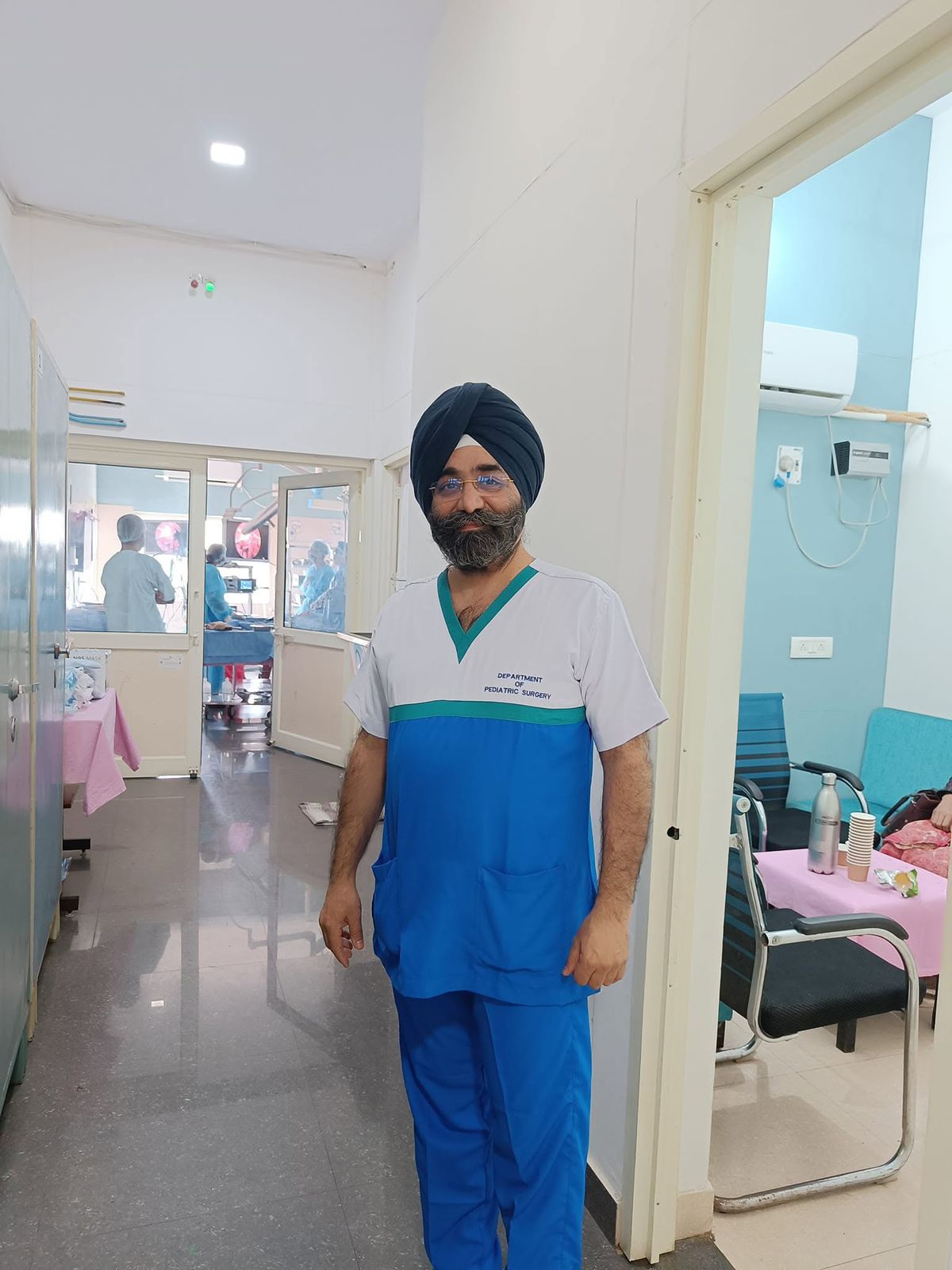
Meet Dr. Harparkash Singh Miglani
Dr. Harparkash Singh Miglani is a pediatric surgeon with over 30 years of experience, specializing in pediatric minimal access (Laparoscopic) Surgery, Hypospadias Surgery, Pediatric Urology, and Neonatal Surgery. He holds an M.Ch in Pediatric Surgery from PGIMER, Chandigarh, and has trained at leading surgical centers across India.
He has been recognized with the IAPS-Karl Storz Visiting Professor Fellowship and the Ethicon Travel Fellowship. He has participated as Faculty, Delegate, Operating Faculty, and Orator in more than 100 national and international conferences and live operative workshops. He has published his original peer-reviewed surgical technique in the field of hypospadias — the HPS Landmarks Technique, a foreskin-preserving method for hypospadias repair — in the Journal of the Indian Association of Pediatric Surgeons, along with several other publications and contributions as book chapters in textbooks of pediatric surgery.
Regional Distinction
Only pediatric surgeon in Amritsar currently offering minimally invasive laparoscopic surgery for children
Qualification
M.Ch in Pediatric Surgery, PGIMER, Chandigarh (1995); DNB (Pediatric Surgery), National Board of Examinations (1996)
Experience
30+ years in pediatric surgery
Fellowships
IAPS Karl Storz Visiting Professor Fellowship, Ethicon Travel Fellowship
Published Research
Many publications in prestigious national and international peer-reviewed journals; contributed book chapters in textbooks of Pediatric Surgery and Pediatric Endo Surgery
What to expect
What to expect: your child's treatment journey
Before Surgery
Evaluation
Physical examination, urine tests, and imaging (ultrasound or further scans) as needed.
Planning
Dr. Miglani discusses the most suitable treatment approach for your child's specific condition.
Pre-procedure instructions
Clear fasting and preparation guidance ahead of the day of treatment.
During Surgery
Anaesthesia
Your child is kept comfortable and pain-free throughout.
Endoscopic treatment
A thin scope is used to diagnose and treat the condition, in most cases without any incision.
Monitoring
The team closely monitors your child throughout the procedure.
After Surgery
Recovery room
Your child is observed closely as they wake from anaesthesia.
Short observation
A period of monitoring to check urine output and comfort.
Discharge & follow-up
Most children go home the same day or next day, with a follow-up visit scheduled.
Healing at home
Recovery after pediatric urology treatment
Understand more about Laparoscopic Surgery
Cost transparency
What does pediatric urology treatment cost?
Cost depends on the specific procedure, complexity, room category and length of stay. Speak to our team for a personalised estimate before treatment.
Personalised Estimates
Common questions
Frequently asked questions
Can kidney stones in children be treated without open surgery?
Many pediatric kidney and ureteric stones can now be treated endoscopically, depending on the stone’s size and location. Dr. Miglani will assess the best approach for your child.
Is vesicoureteral reflux always treated with surgery?
Not always — some cases are monitored or managed with medication, while others benefit from a minimally invasive endoscopic injection procedure. This depends on the grade of reflux and your child’s history.
How can I tell if my child has a urinary tract infection?
Common signs include fever, pain during urination, and foul-smelling urine, though infants may only show fever and irritability. A urine test confirms the diagnosis.
Is endo-urology surgery safe for infants?
Yes, when performed by a pediatric-trained surgeon using appropriately sized instruments. Safety always depends on the specific condition, assessed individually.
Will my child need long-term follow-up?
Many urinary tract conditions in children benefit from periodic follow-up imaging or urine tests to confirm the treatment has been effective and to monitor kidney health.
In parents' words
What families in Amritsar say
"No doubt, excellent pediatric surgeon, well experienced — got my daughter's appendicitis surgery done here."
Jagjit Singh Bains
Amritsar
"A very well experienced and efficient pediatric surgeon in Amritsar. Well-maintained child center with good hygiene."
Munna Kumar
Amritsar
"The doctor and staff are efficient with a lot of positivity around. I'm happy with services and would recommend this hospital for child surgery."
Sumanpreet Bajwa
Amritsar
Have questions about your child's surgery?
Book a consultation with Dr. H.P.S. Miglani — Amritsar’s only pediatric laparoscopic surgeon — and get clear, honest guidance on the best treatment path for your child, without needing to travel out of city.