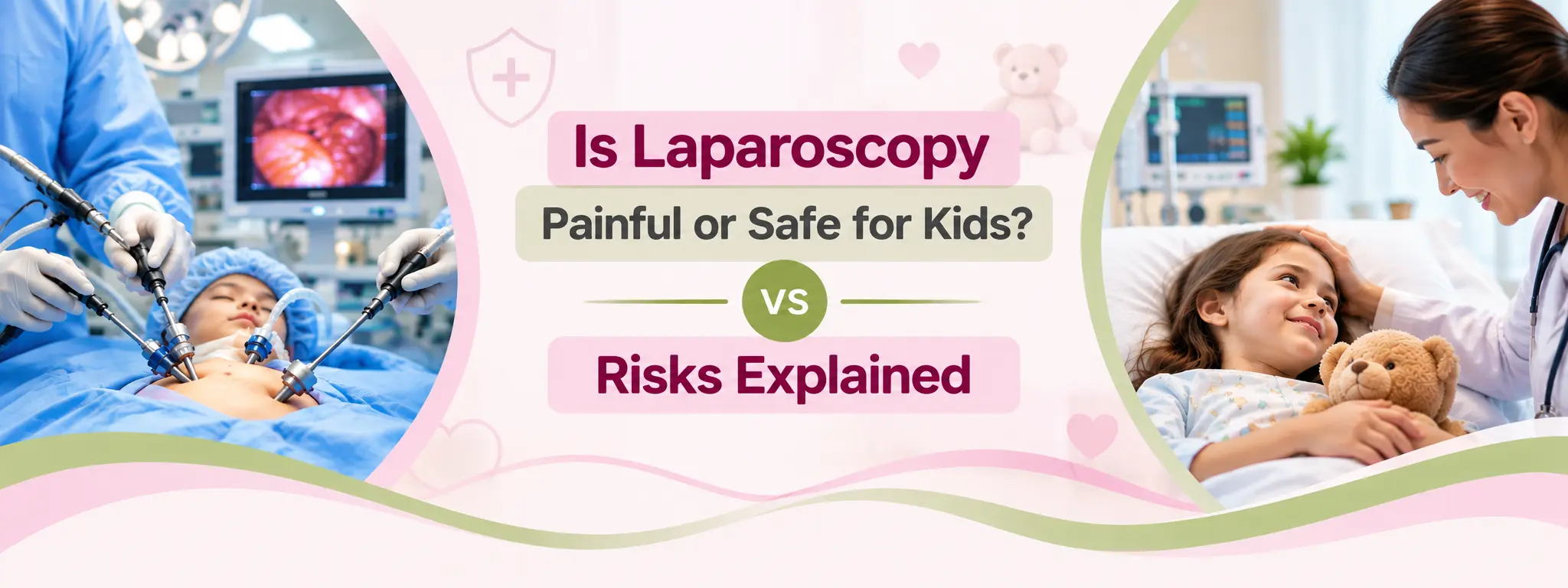

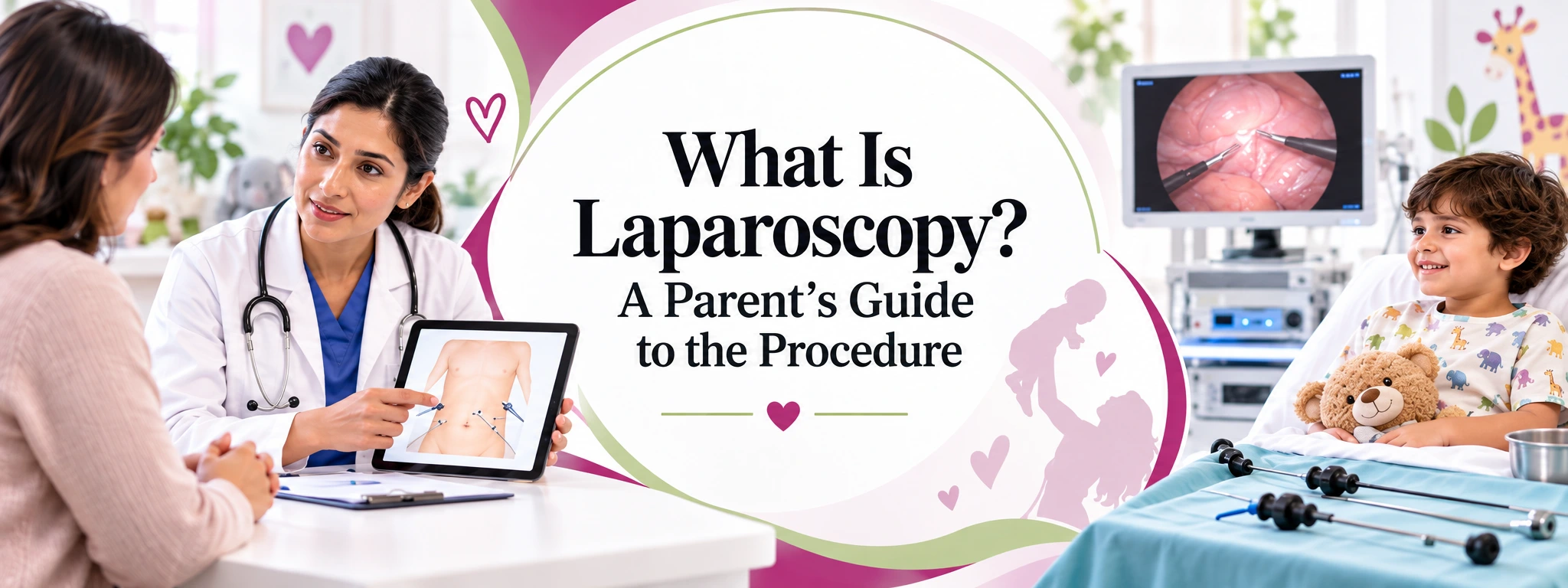
Hearing that your child may need surgery can bring many questions. Parents often want to know how the operation is done, whether their child will be asleep, and what recovery may look like.
If you are asking what laparoscopy is, it is a minimally invasive way to examine or operate inside the abdomen or pelvis through small cuts. A camera helps the surgeon see inside the body on a monitor. This guide explains laparoscopy in children, its uses, safety, recovery, and questions parents should ask.
What Is Laparoscopy?
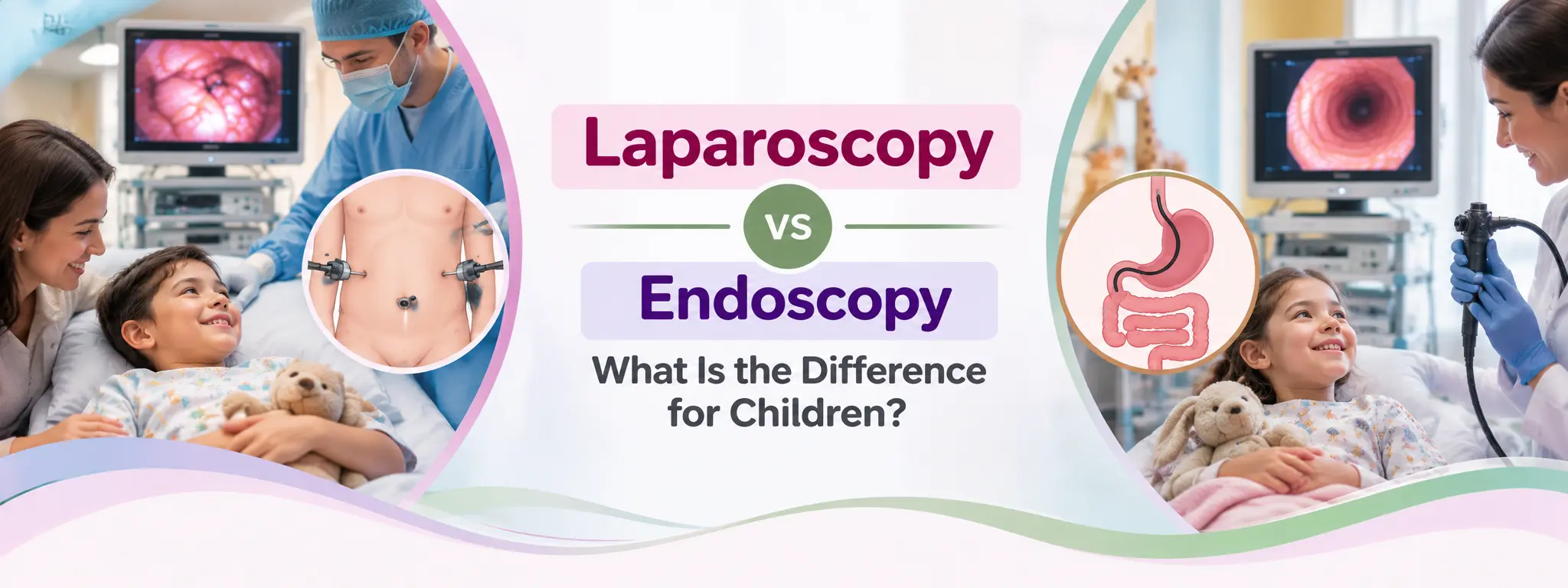
Laparoscopy uses a thin instrument called a laparoscope. It has a light and camera that sends images from inside the body to a screen. The surgeon can examine organs or perform treatment without making one large surgical opening.
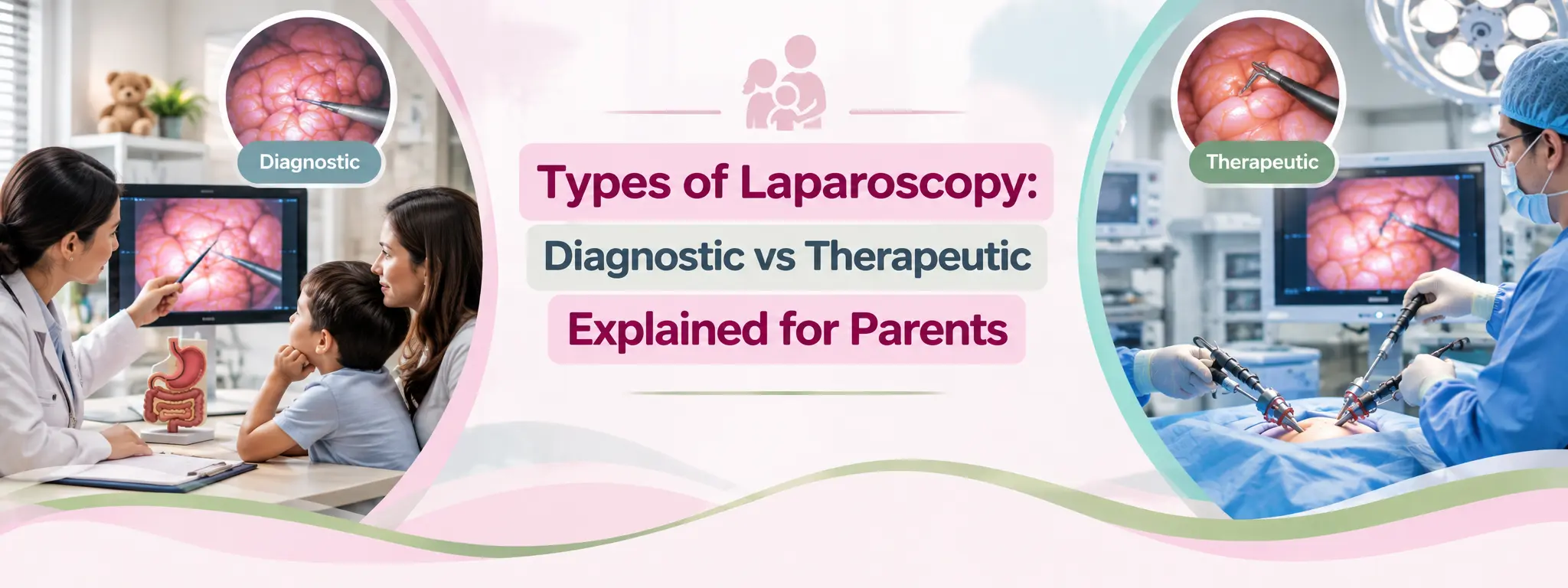
Laparoscopy is also called keyhole surgery or minimal access surgery. It describes the surgical approach, not the disease being treated. Diagnostic laparoscopy helps identify a problem, while operative laparoscopy treats it.
How Is the Laparoscopy Procedure Performed?
Children having laparoscopic surgery are usually given general anesthesia, so they are asleep during the operation. The exact steps vary with the condition and type of surgery.
- The child is prepared and given anesthesia.
- The surgeon makes a small cut, often near the belly button.
- The surgeon may use carbon dioxide to create working space inside the abdomen.
- The surgeon inserts the laparoscope to view the organs on a monitor.
- The surgeon may place small instruments through other tiny openings.
- The surgeon completes the required examination or treatment.
- The surgeon removes the instruments and closes the incisions.
The number and position of the cuts depend on the operation, the child’s size, and the area being treated.
How Is Laparoscopy Different in Children?
The basic technique is similar to adult laparoscopy, but children need care suited to their age and body size. Pediatric surgeons use appropriately sized instruments and plan the operation around smaller anatomy and the child’s condition.
Children also need age-appropriate anesthesia and postoperative care. The main question is whether laparoscopy is the safest and most suitable approach for that child.
Why Is Laparoscopy Used in Children?
Pediatric surgeons may use laparoscopy to diagnose or treat problems inside the abdomen or pelvis. Common uses can include:
- Appendix removal for appendicitis
- Finding or treating some undescended testes
- Selected gallbladder procedures
- Certain pediatric urology procedures
- Some abdominal or pelvic conditions
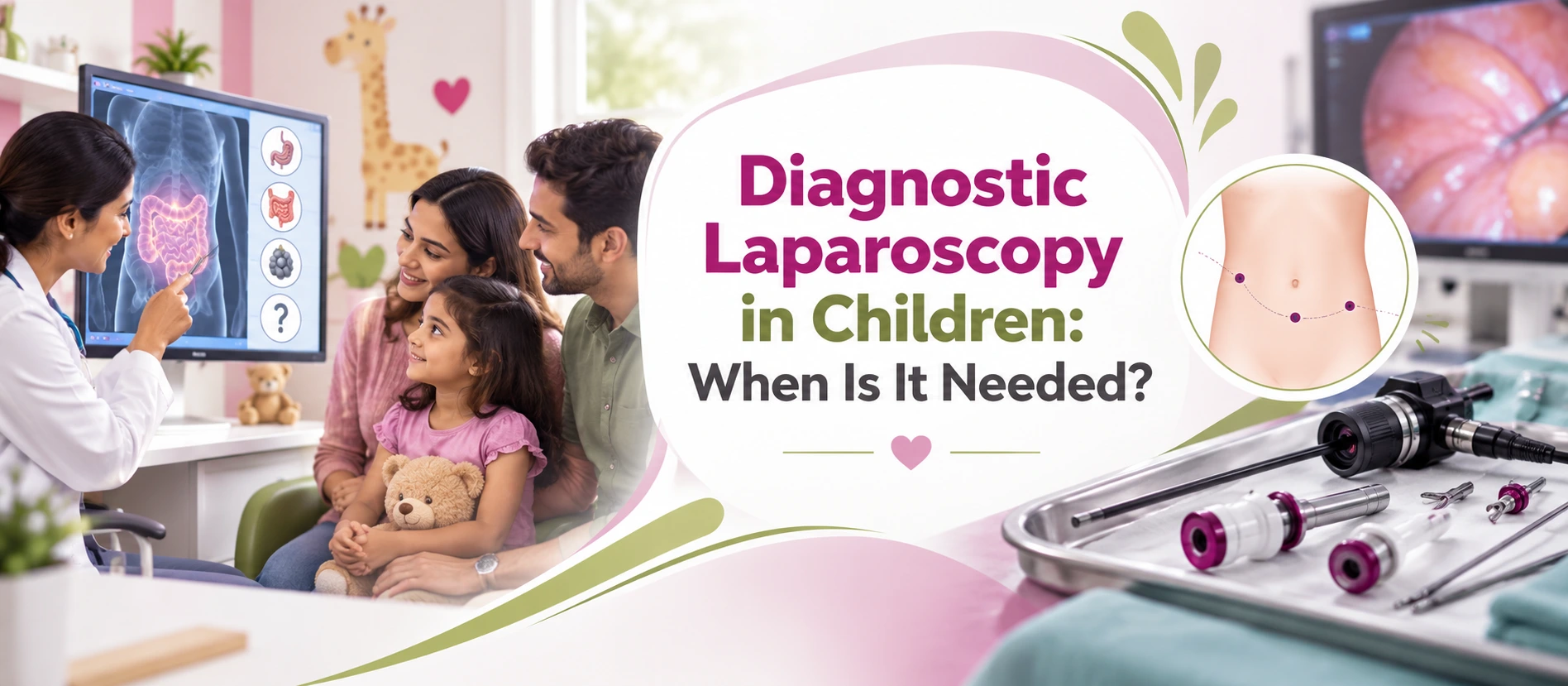
- Diagnostic evaluation when the cause of symptoms is unclear
Not every child with these conditions needs laparoscopy. The surgeon considers the diagnosis, anatomy, urgency, previous surgery, and the safest way to treat the condition.
Is Laparoscopy Safe ?
Laparoscopy is widely used in pediatric surgery, but no operation is completely risk-free. Safety depends on the child’s health, the procedure, anesthesia, and the surgical team’s assessment.
Possible benefits may include:
- Smaller incisions
- Smaller scars
- Less discomfort after some procedures
- Faster recovery in suitable cases
- A shorter hospital stay for some operations.
Possible risks can include:
- Bleeding
- Infection
- Anesthesia-related problems
- Injury to nearby organs or blood vessels
- Need to change to open surgery.
A small incision does not automatically mean a small operation. The seriousness of surgery depends on what is being treated, not only on the size of the cuts.
Why Might Laparoscopy Be Changed to Open Surgery?
A surgeon may need a larger opening because of bleeding, difficult anatomy, scar tissue, severe swelling, or an unexpected finding. Changing to open surgery does not always mean something has gone wrong. In some situations, it is simply the safer way to complete treatment.
What Is Recovery Like After Laparoscopy?
Recovery depends on the actual operation, not the word “laparoscopy.” A short diagnostic procedure can have a very different recovery from a complex laparoscopic operation.
Parents are usually given instructions about:
- Food and drinks
- Pain medicines
- Wound care and bathing
- Return to school or sports.
- Follow-up visits
Some children may go home the same day, while others need a longer stay. Follow the discharge instructions and contact the treating team for persistent fever, repeated vomiting, worsening pain, increasing wound redness or discharge, or if the child seems unusually unwell.
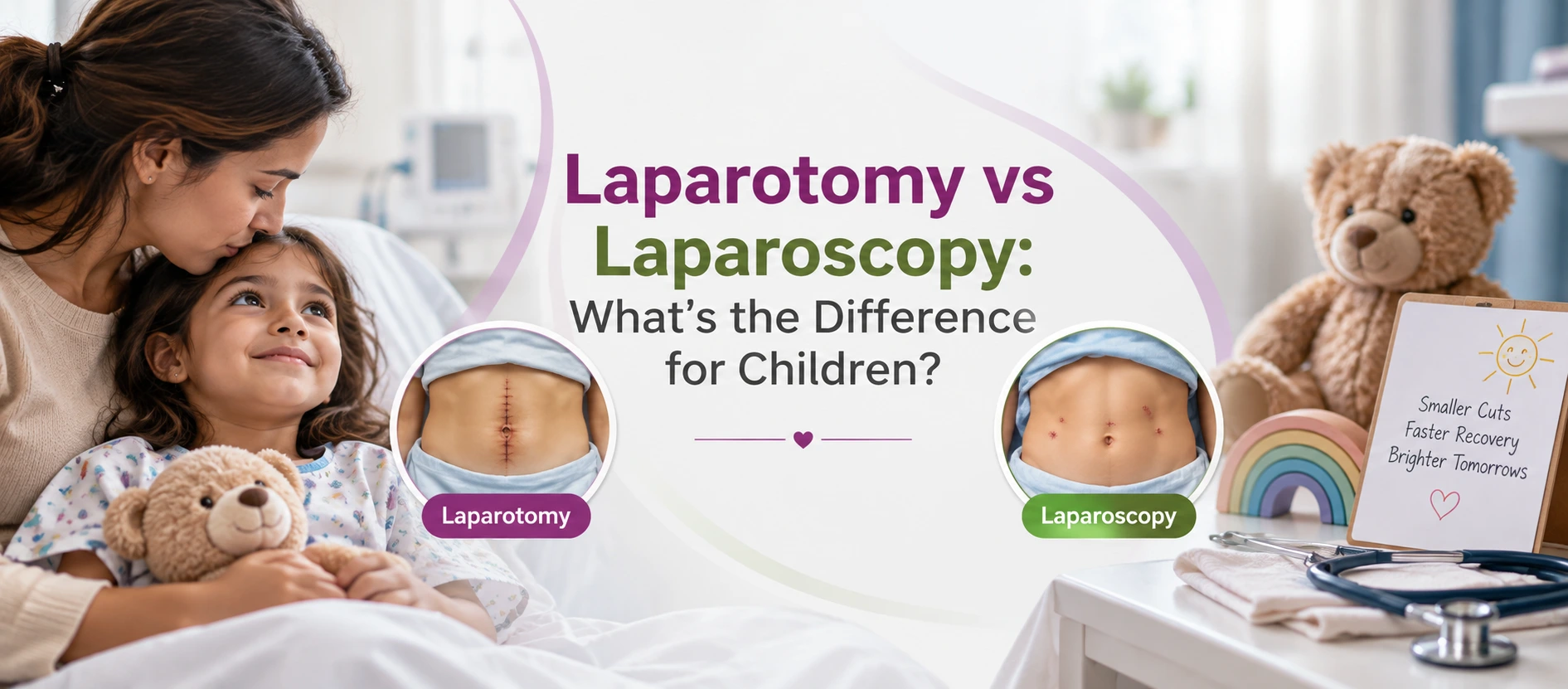
Laparoscopy vs Open Surgery: What Is the Difference?
Laparoscopic surgery uses small openings and a camera, while open surgery uses a larger incision for direct access. Neither method is best for every child.
| Factor | Laparoscopic Surgery | Open Surgery |
| Access | Small incisions | Larger incision |
| View | Camera-assisted | Direct surgical access |
| Scarring | Usually smaller | Usually larger |
| Recovery | Often quicker in comparable cases | May take longer |
| Suitability | Depends on the child and procedure | Depends on the child and procedure |
Questions Parents Should Ask Before Laparoscopy
- Why does my child need surgery?
- Why is laparoscopy being recommended?
- Could open surgery become necessary?
- What recovery should we expect for this operation?
- When can my child return to school or normal activity?
Parents should also tell the surgical team about medicines, allergies, previous operations, and recent illness.
FAQs
Can my child eat or drink before laparoscopy?
Children usually need to stop eating and drinking before anesthesia. Follow the exact fasting instructions given by the hospital or anesthesia team.
What if my child becomes unwell before surgery?
Tell the surgical team if your child develops fever, cough, vomiting, or another illness. They will decide whether to proceed with the planned operation.
Will laparoscopy leave scars?
Laparoscopy usually leaves smaller scars than comparable open surgery. Scar appearance varies with healing, skin, incision location, and the procedure performed.
When Should Parents Speak With a Pediatric Surgeon?
If laparoscopy has been suggested for your child, ask why it fits the diagnosis and what recovery may look like for that operation. Child Surgeons in Amritsar provides pediatric laparoscopic and minimally invasive surgical care, where parents can discuss the diagnosis, treatment options, and next steps.